
Plenary Speakers
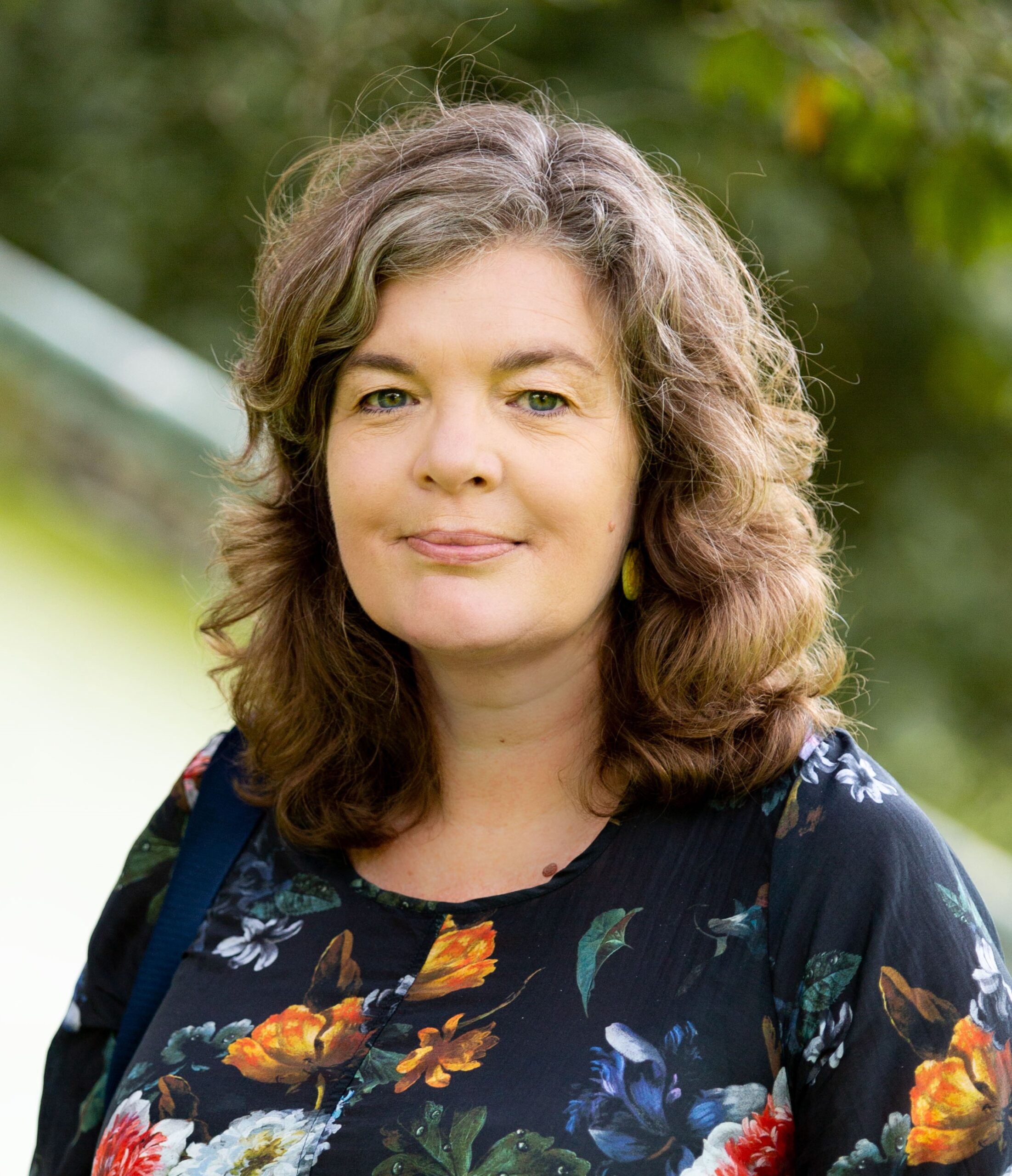
Dame Juliet Gerrard
Dame Juliet Gerrard trained at Oxford and moved to New Zealand in 1993. Her research career has been broad and interdisciplinary, centred on protein science. She is currently a professor at the University of Auckland (based across the Faculties of Science and Engineering). From 2018-2024 Juliet served as the Prime Minister’s Chief Science Advisor to three Prime Ministers (Jacinda Ardern, Chris Hipkins, Chris Luxon) during a tumultuous time. She provided science advice on a broad range of topics, including plastics, cannabis, AI in healthcare and food waste. She also had a front row seat during three emergencies – the Christchurch mosque shooting, the volcanic eruption of Whakaari | White Island, and the COVID-19 pandemic. She will reflect on her experiences in this and other roles in this presentation.
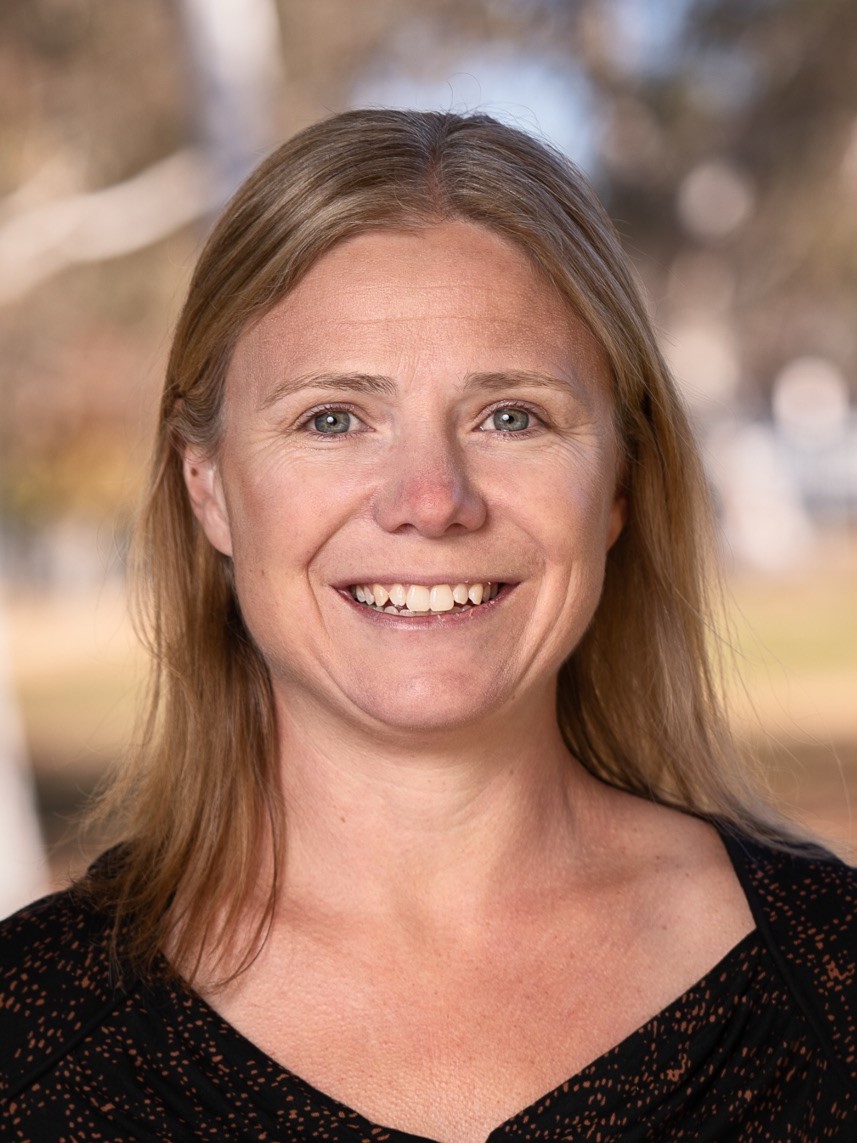
Professor Jacqueline Batley
Jacqueline Batley is a Professor at the University of Western Australia. She was awarded her PhD from the University of Bristol UK in 2001. She moved to Australia in 2002, as a senior research scientist at DPI-Victoria, then led a research group at the University of Queensland as an ARC QEII Research Fellow, from 2007-2014, before moving as an ARC Future Fellow to UWA. Jacqui has received several awards including the Nancy Millis Medal from the Australian Academy of Sciences and she was named the Western Australian Scientist of the Year in 2025. She has been a Clarivate Highly Cited Researcher since 2022. Jacqui’s research applies breakthrough biotechnological advances for canola crop improvement, through identification of genomic regions controlling traits, which are being translated to commercial outcomes. Her work has led to new canola cultivars, with enhanced productivity, profit, and yield stability through identification of genes linked to shatter tolerance, blackleg disease resistance and oil quality. She is currently an ARC Laureate Fellow focussing on blackleg resistance in the Brassicaceae.
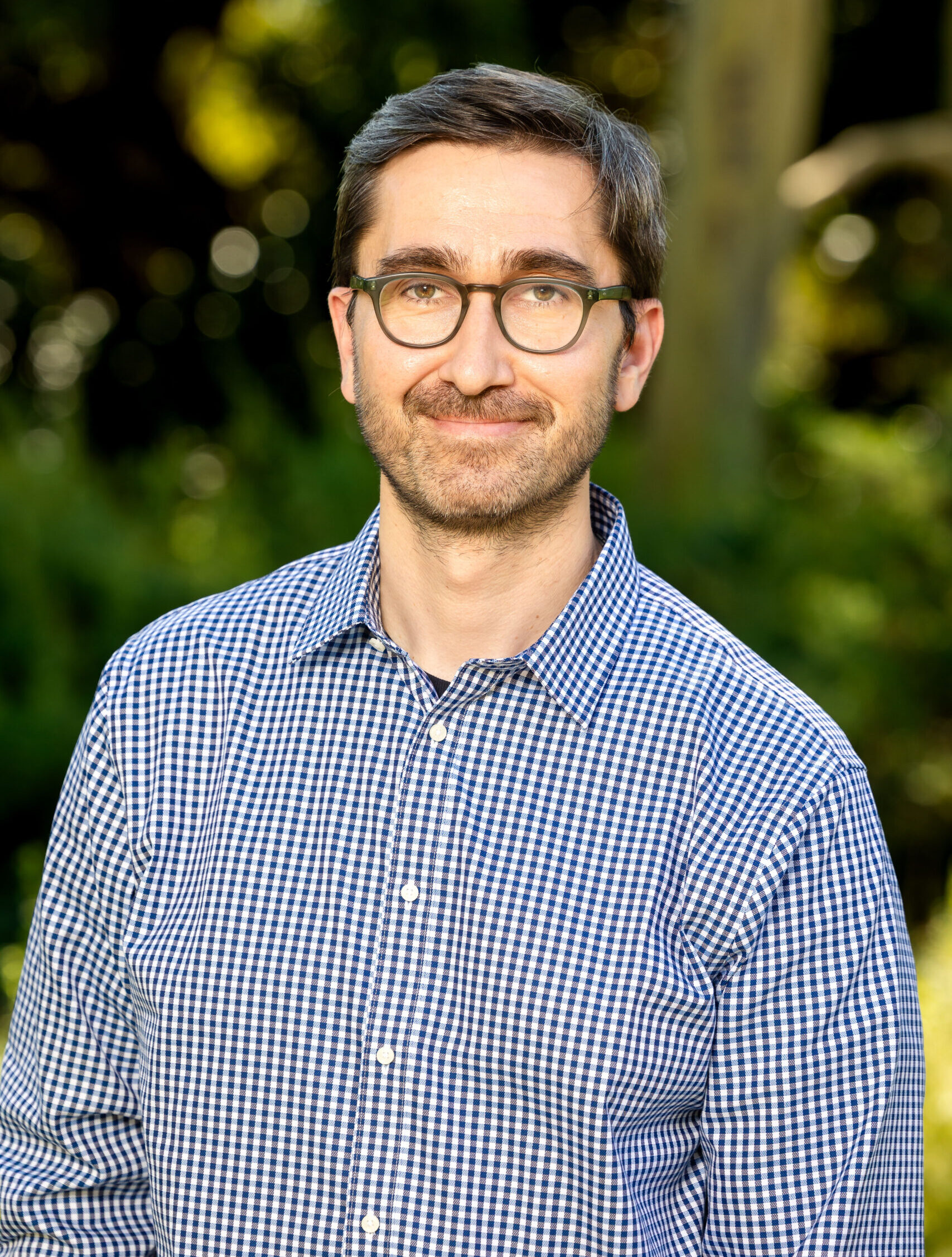
Professor Mirko Uljarević
Professor Uljarević is a Professor at CliniKids and The Kids Research Institute. Prior to the current role, he was an Associate Professor of psychiatry and behavioral sciences at Stanford University and Director of the Stanford Program for Psychometrics and Measurement-Based Care. His research takes a life-span perspective and is driven by the urgent need to improve outcomes for people with autism and other neuropsychiatric (NPD) and neurodevelopmental (NDD) conditions. His primary research interest has focused on combining cutting-edge psychometric procedures and a big data approach to better understand the structure of clinical phenotypes across autism and other NPD and NDD, and on using this knowledge to improve existing and develop new clinical assessments that are more effective for characterizing clinical and cognitive features, tracking the natural and support-related change and for use in genetic and neurobiological studies. His current work is supported by the Future Health Research and Innovation (FHRI) Fund Distinguished Fellowship and focuses on the development of the new generation of assessments to facilitate screening, characterization, and intervention matching across clinical and research contexts.
Invited Speakers
Microbiology
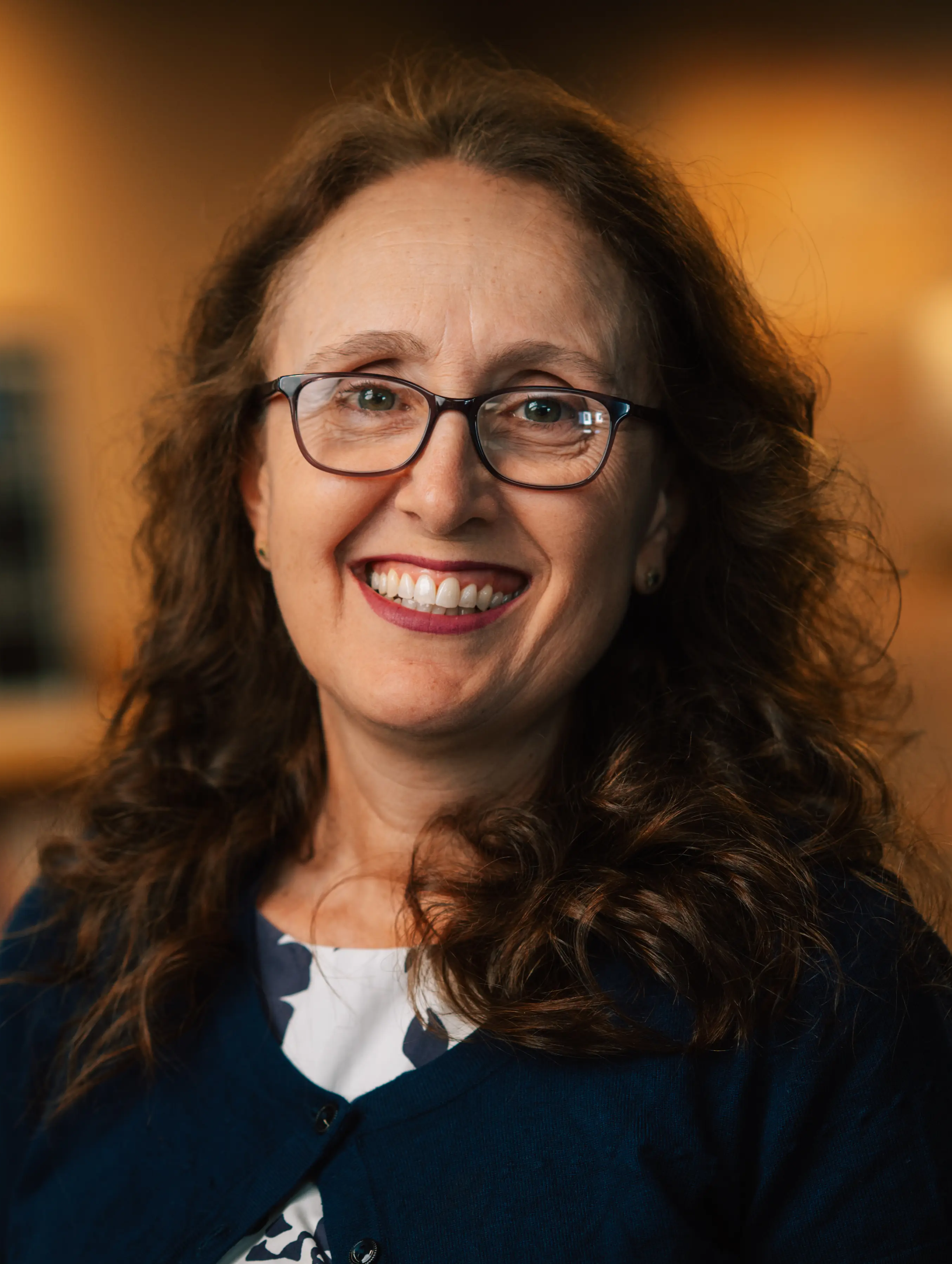
Dr Christine Carson
Dr Christine Carson is a Senior Research Fellow at The University of Western Australia and Chief Scientific Officer at Cytophenix, a UWA spinout company. As a highly experienced microbiologist she has bridged research and industry with an extensive background in developing novel diagnostic tools, particularly focusing on antimicrobial susceptibility testing. Her work to improve analytical and diagnostic tools as a countermeasure to antimicrobial resistance is seeking a better way to quantify and analyse antimicrobial susceptibility to develop fast, antimicrobial susceptibility tests that help reduce the time taken to tailor antibiotics to infections.
Dr Rutendo Mapengo
Dr Rutendo Mapengo is a Medical Scientist at PathWest’s Microbiology Laboratory, specialising in pathogen genomics and infectious disease surveillance. Her work centres on applying whole-genome sequencing, molecular diagnostics, and high-throughput bioinformatics to investigate outbreaks and antimicrobial resistance. Rutendo has a strong interest in developing and refining genomic analysis pipelines, enabling more accurate variant detection and phylogenetic interpretation to support public health responses.
.
Dr Christopher Mullally
Dr Christopher Mullally is an early-career molecular microbiologist at Murdoch University. His research focuses on developing innovative molecular approaches to improve the diagnosis and treatment of infectious diseases. His work combines pathogen genomics, microbiome analysis, and rapid diagnostic technologies, with a particular interest in neonatal sepsis and antimicrobial resistance.
Cell & Developmental Biology
Dr Ben Dwyer
Dr Benjamin Dwyer is a Senior Research Fellow and Director of the WA Organoid Innovation Hub at the Curtin Medical Research Institute, Curtin University. After completing his PhD at the University of Western Australia in 2015, he undertook postdoctoral research at the University of Edinburgh, where he investigated cholangiocarcinoma and contributed to the development of therapeutic macrophage therapies now progressing through clinical trials. He currently holds an FHRI WANMA Emerging Leaders Fellowship and leads research developing patient-derived organoid models for primary liver cancer and RNA-based therapies for triple-negative breast cancer.
Dr Ben Padman
Dr. Padman is a Research Fellow at The Kids Institute and the University of Western Australia, specialising in advanced imaging techniques to study mitochondrial structure and function in rare metabolic disorders. His research focuses on inter-organellar communication and the mitochondrial interactome, using a range of cutting-edge imaging technologies spanning light and electron microscopy, ion beams, and X-rays to uncover new insights into cellular biology. Believing that “a picture is worth a thousand words,” Dr. Padman is dedicated to making each image a revelation.
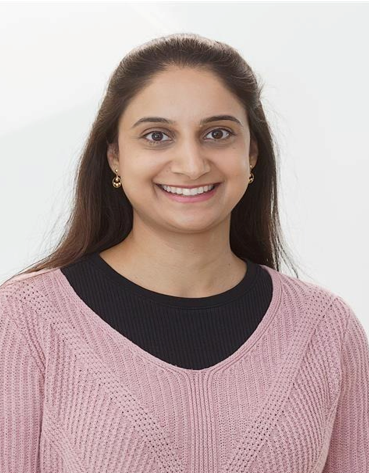
Dr. Jasreen Kular
Dr Kular is a Research Fellow in the Bone Biology and Disease Laboratory at The University of Western Australia. Her research focuses on uncovering the molecular mechanisms that regulate secretory lysosomes and their role in controlling osteoclastic bone resorption. By defining how these pathways influence skeletal turnover, her work aims to identify novel therapeutic targets for lysosomal storage disorders and debilitating musculoskeletal conditions.
Frontiers in Genetics
Assoc Prof Briardo Llorente
Briardo is Chief Scientist of the Australian Genome Foundry (AGF), an Associate Investigator at the Australian Research Council Centre of Excellence in Synthetic Biology (CoESB), and Group Leader and Associate Professor at Macquarie University, Sydney. His research applies synthetic biology to address major challenges through genomic, metabolic, and intercellular engineering, with projects spanning re-engineered symbiosis and genomes, biomanufacturing, and improved crops and medicines. Before joining the AGF and CoESB, Briardo was a CSIRO Synthetic Biology Future Science Fellow, a Marie Curie Fellow and Juan de la Cierva Fellow at Barcelona’s CRAG, and a visiting researcher at Aarhus University in Denmark and the Salk Institute in California. He completed his PhD at INGEBI and the University of Buenos Aires, Argentina.
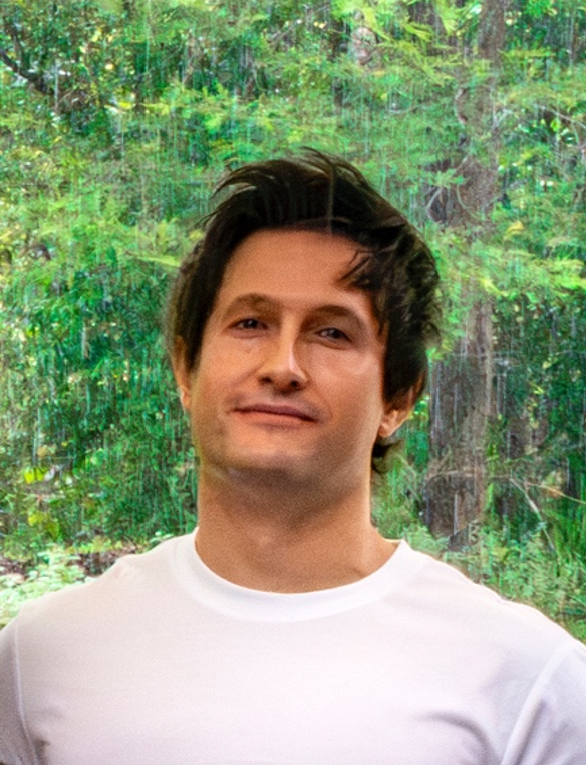
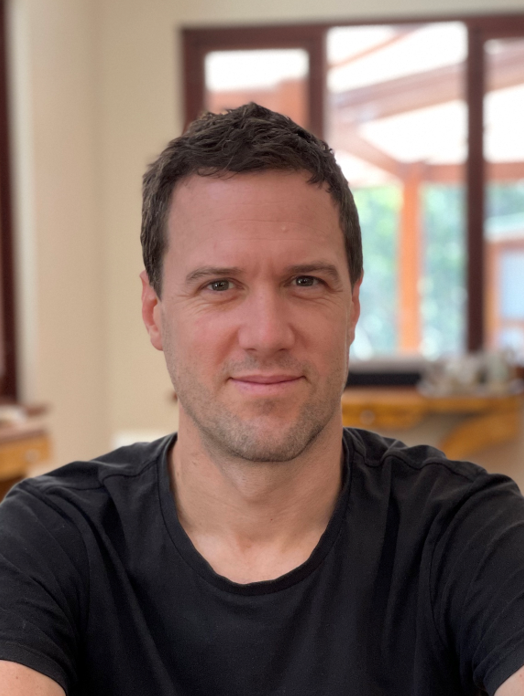
Prof Ryan Lister
Ryan Lister leads a research group investigating the epigenome and cell identity, at the University of Western Australia and the Harry Perkins Institute of Medical Research. After receiving his PhD from UWA in 2005, Ryan undertook postdoctoral studies at The Salk Institute for Biological Studies, where he developed and applied new techniques to map the epigenome and transcriptome. Having returned to UWA in 2012, Ryan’s laboratory is focused upon understanding the role of the epigenome in regulation of cell identity, and developing molecular tools to precisely edit the epigenome and transcriptional activity to control cell state and functions.
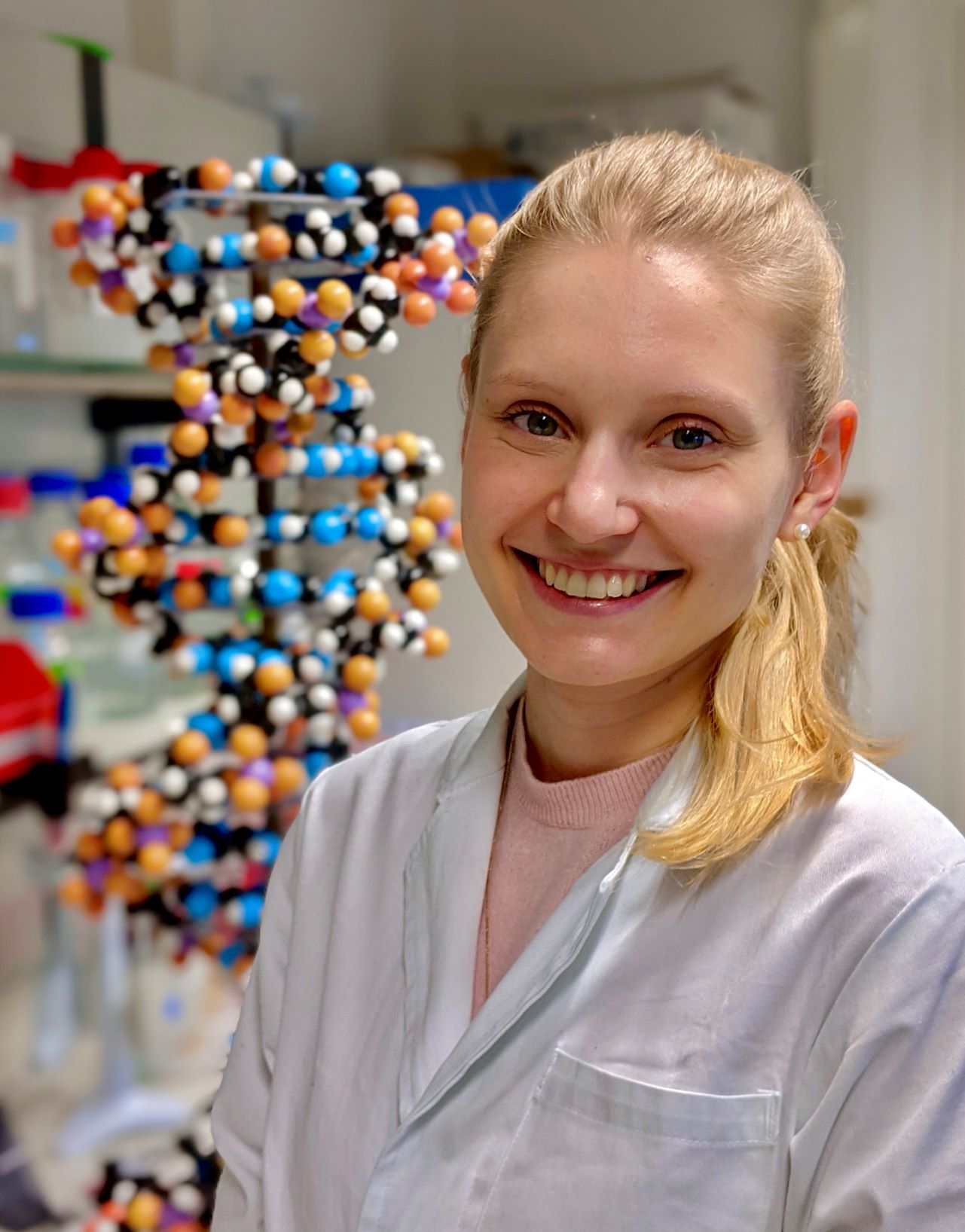
Dr Jessica Kretzmann
Jessica completed her PhD degree in Chemistry from the University of Western Australia, spending part of her doctoral studies as a Fulbright Scholar at the University of Massachusetts, Amherst (2018). Her PhD focused on the design and evaluation of new materials for the delivery of gene therapies. From there, Jessica was an Alexander von Humboldt Postdoctoral Fellow at the Technical University of Munich, where she worked on the design and implementation of DNA origami for biotechnological applications (2020 – 2022) with Prof Hendrik Dietz.
Jessica returned to UWA through a Forrest Fellowship in late 2022, and now as a DECRA and NHMRC Fellow is establishing her group in DNA nanotechnology.
Plant Science
Prof Lee Hickey
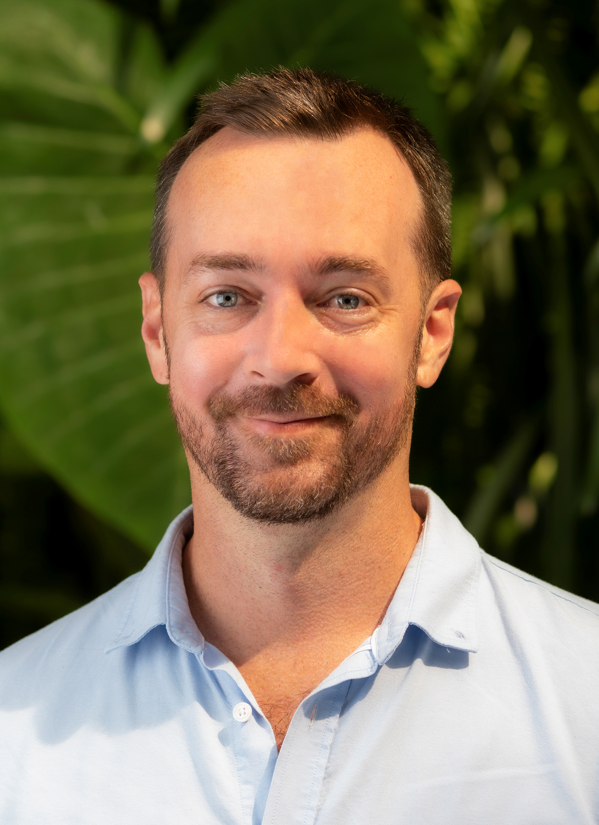
Professor Lee Hickey is a plant breeder, crop geneticist, and ARC Future Fellow at the University of Queensland, where he directs the ARC Training Centre in Predictive Breeding. Lee is one of the pioneers of speed breeding — a technique that fast-tracks the development of new crop varieties and is now used by breeding programs worldwide. His work integrates AI, genomics, and genome editing to build better crops for farmers. His research has featured in the BBC, National Geographic, and the New York Times, and is backed by more than 100 scientific publications.
Dr Farley Kwok van der Giezen
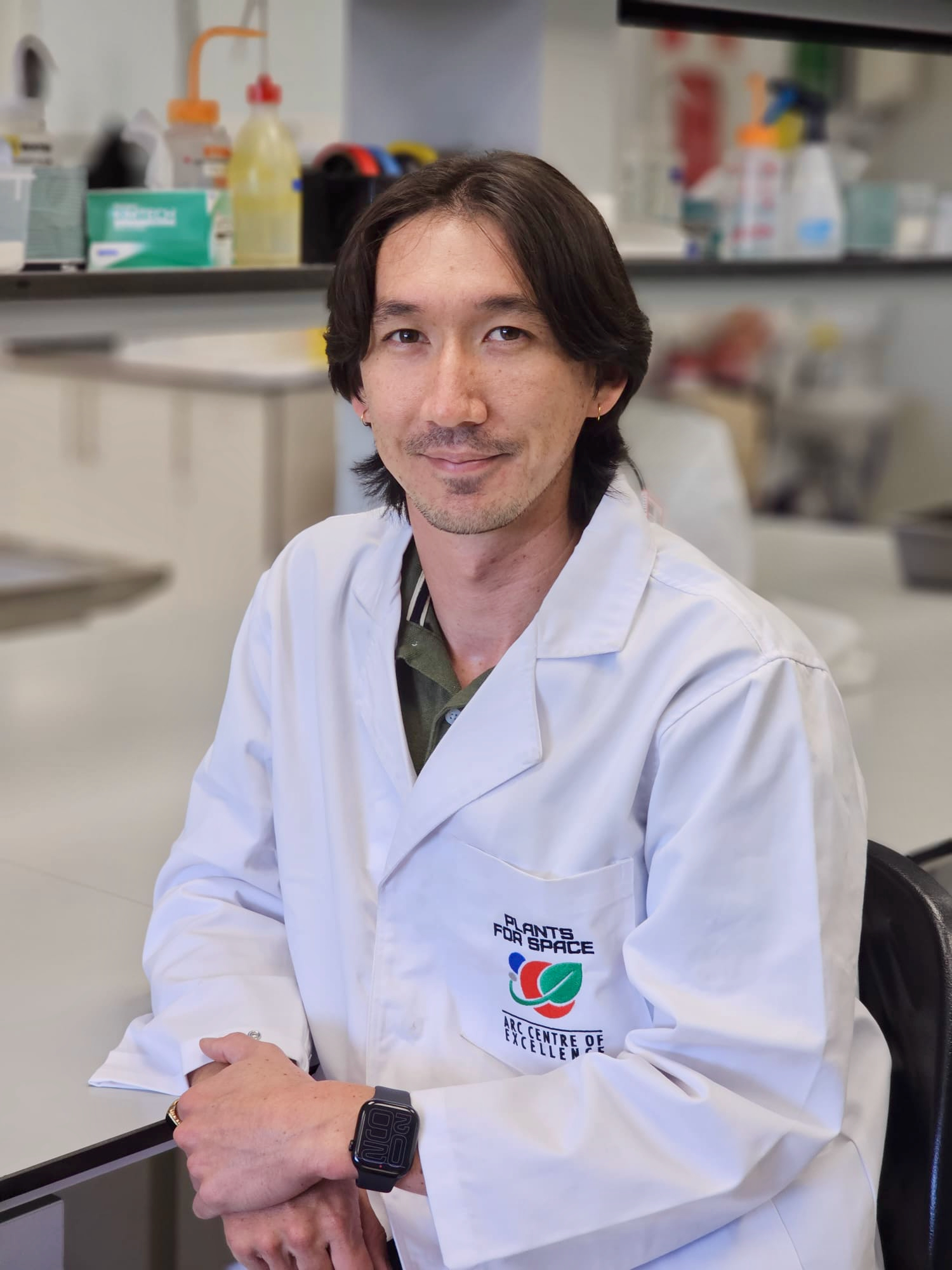
Dr Farley Kwok van der Giezen is a Research Associate at the ARC CoE in Plants for Space. Farley completed his PhD at the University of Western Australia, and studies the evolution, mechanisms and engineering of RNA editing proteins in plant chloroplasts and mitochondria. He is currently serving as the chair of the Perth Protein Group, and co-chair of the WA RNA Salon.
Dr Bryn Funnekotter
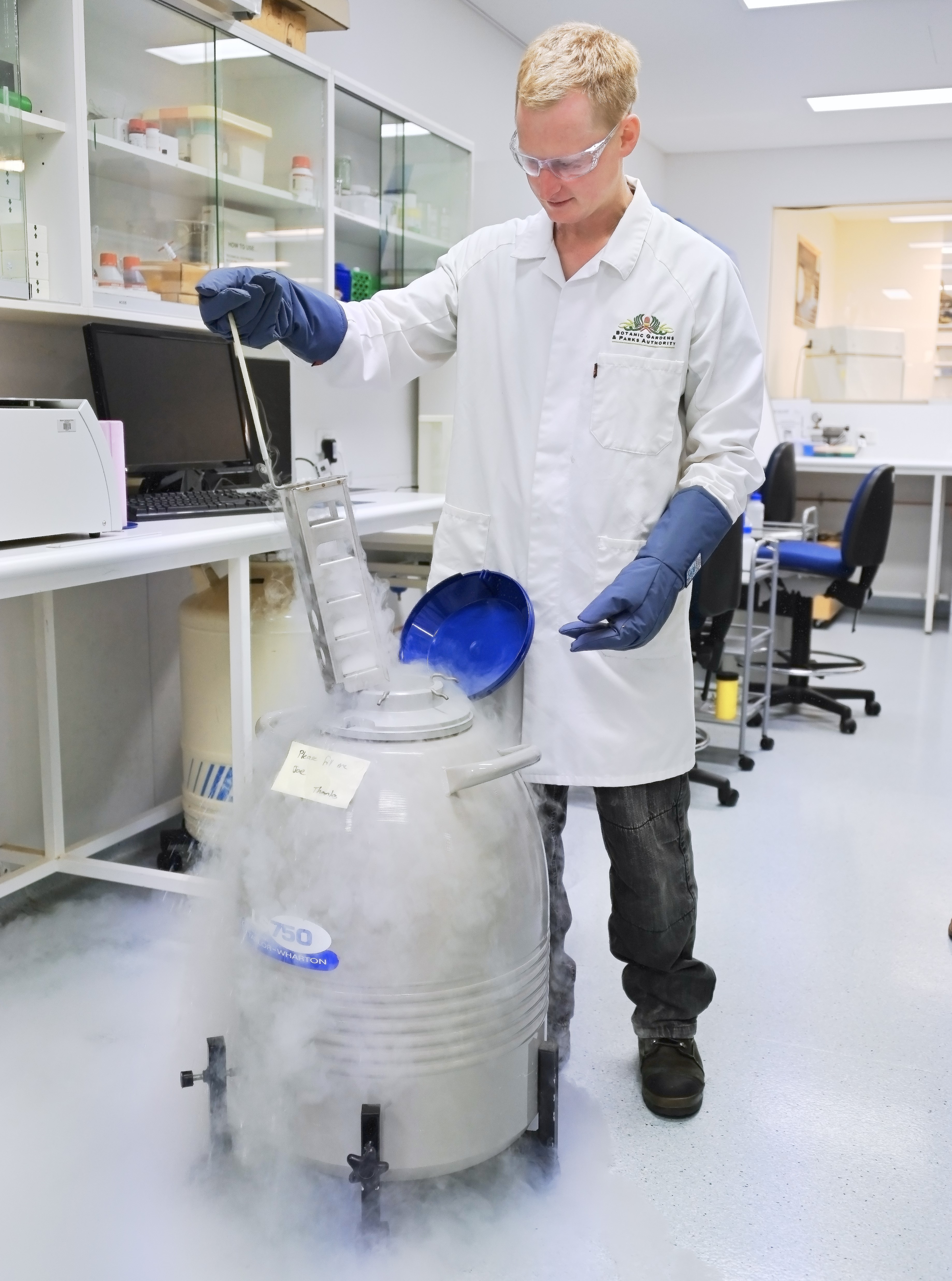
Dr Bryn Funnekotter is a Research Scientist at Kings Park Science, which is a part of the Department of Biodiversity, Conservation and Attractions in Perth, Western Australia. Bryn’s research focus is to enhance and solidify the use of cryopreservation and plant tissue culture to conserve Australia’s unique plant species. He has a keen interest in studying the fundamental science underpinning conservation biotechnologies. By pinpointing and understanding the limitations of current methodologies, more efficient, wider-reaching protocols will enhance our ability to conserve our threatened species.
Biodiversity
Assoc Prof Stephanie Godfrey
Stephanie Godfrey is an Associate Professor in the Department of Zoology at the University of Otago. Her parasitological interests centre on two key themes; (1) the role of animal behaviour in parasite transmission, particularly using social network models to understand contact patterns in wildlife populations; and (2) the conservation biology of native and endemic parasites, with a focus on recognising parasites as integral components of biodiversity. Stephanie’s work challenges traditional views of parasites solely as threats, instead highlighting their ecological importance and the need to consider them in conservation planning. Her research combines field ecology, behavioural modelling, and conservation science, contributing to a more nuanced understanding of host-parasite relationships in Australasia’s unique fauna.
Dr Alexandre Siqueira
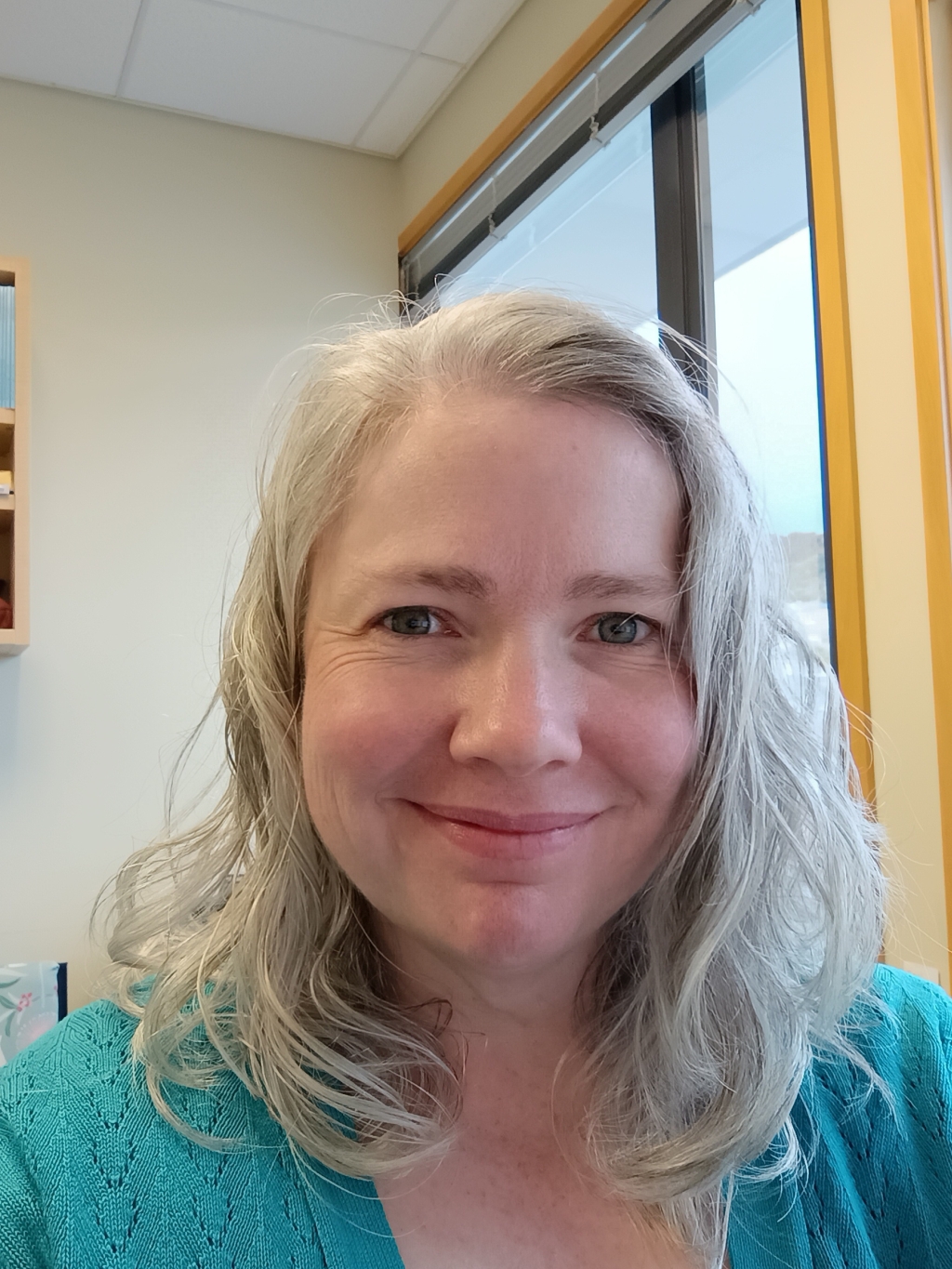
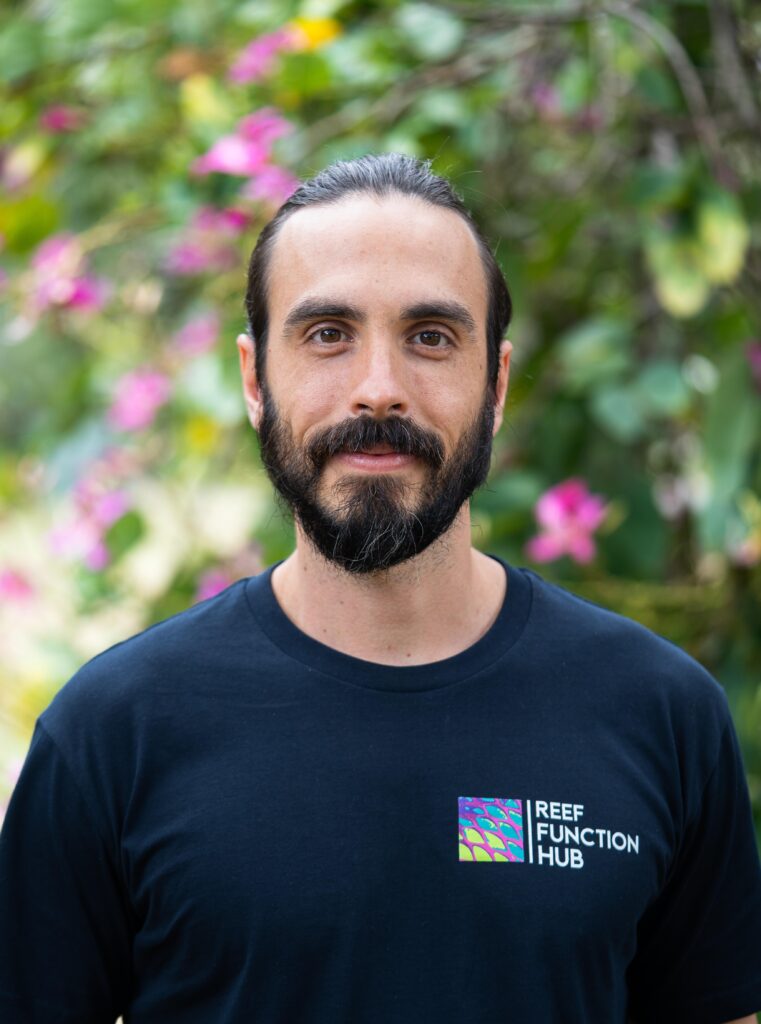
Alexandre Siqueira is a marine biologist fascinated by the processes shaping coral reef biodiversity through time. His research integrates phylogenetics, palaeontology, and ecology to identify the evolutionary and ecological mechanisms underpinning reef fish diversity and ecosystem functions. He completed his PhD at James Cook University in 2021, focusing on the trophic evolution, macroecology, and biogeography of coral reef fishes. Following 3.5 years as a Postdoctoral Fellow at the Reef Function Hub, he is now an ARC DECRA and Vice-Chancellor’s Research Fellow at Edith Cowan University, investigating the characteristics of ancient reefs that influenced fish productivity.
Dr Holly Kirk
Dr Holly Kirk is an Associate Professor of Urban Biodiversity in the School of Design and the Built Environment at Curtin University. Her research focuses on applying ecology to urban planning and design, with expertise in spatial modelling, animal movement, and Biodiversity Sensitive Urban Design (BSUD). Working closely with industry and government, her ecological connectivity modelling has informed biodiversity planning in Melbourne, Adelaide, Perth, and the ACT. She is currently developing an open-access decision-support tool for urban biodiversity conservation through an ARC Industry Fellowship and is passionate about translating research into practical outcomes for people and nature.
More speakers to be announced – please check back soon!